
"Esmeralda Farm"
400 article(s) found

Introduction to the flavor and taste characteristics of Esmeralda Manor in Panama with fruit flavor
Species of Geisha were discovered in the Rose Summer Forest of Ethiopia in 1931 and sent to the Coffee Research Institute in Kenya, introduced to Uganda and Tanzania in 1936, introduced to Costa Rica in 1953, and Panama was introduced in the 1970s by Mr. Francico Serraxin of the Tonba Seven Farm Garden from CATIE in Costa Rica and began to grow Rose Summer Coffee. G

Panamanian Jade Manor Rose Summer Coffee beans Baru Volcano Jadeite Manor
The species of Geisha was discovered in the Rose Summer Forest of Ethiopia in 1931 and sent to the Coffee Institute in Kenya; it was introduced to Uganda and Tanzania in 1936, in Costa Rica in 1953, and Panama was introduced in the 1970s by Francesca of Dongba Seven Farm Garden. Mr. Serraxin got seeds from CATIE, Costa Rica, and started growing Rosa Coffee.

Introduction to Panamanian Coffee Manor
In 1996, Blaise and Rachel visited a farm for sale in the Haramijun area of the Bocketi Valley, and was attracted by the beautiful farm and immediately bought it. This is Esmeralda. Daniel Lou, the third son of Haramiqiong Farm. It is in this farm that Mr. Bidasson has grown Geisha coffee that attracts the attention of the coffee world. Geisha pronunciation is the same as Japanese.

Panamanian Emerald Manor Rosa Coffee Bean introduction to Baru Volcano Coffee producing area
The species of Geisha was discovered in the Rose Summer Forest of Ethiopia in 1931 and sent to the Coffee Institute in Kenya; it was introduced to Uganda and Tanzania in 1936, in Costa Rica in 1953, and Panama was introduced in the 1970s by Francesca of Dongba Seven Farm Garden. Mr. Serraxin got seeds from CATIE, Costa Rica, and started growing Rosa Coffee.

Ethiopian Coffee Manor Jade Manor introduction to Panamanian Emerald Manor Rose Summer
Introduction to rose summer: the species of Geisha was discovered in the rose summer forest of Ethiopia in 1931 and sent to the Coffee Research Institute in Kenya; it was introduced to Uganda and Tanzania in 1936, in Costa Rica in 1953, and Panama was introduced by Francesca in the Dongba Seven Farm Garden in the 1970s. Mr. Serraxin got the seeds from CATIE, Costa Rica, and started planting.

Introduction of Coffee Flavor description and Grinding Calibration method in Hartmann Manor, Panama
In 1996, Blaise and Rachel visited a farm for sale in the Haramijun area of the Bocketi Valley, and was attracted by the beautiful farm and immediately bought it. This is Esmeralda. Daniel Lou, the third son of Haramiqiong Farm. It is in this farm that Mr. Bidasson has grown Geisha coffee that attracts the attention of the coffee world. Geisha pronunciation is the same as Japanese.

Panamanian fine rose summer coffee beans flavor characteristics Introduction
In 1996 Braith and Rachel visited a farm for sale in the Haramijon area of the Boketty Valley and were attracted by the beauty of the farm and immediately bought it. This is Esmeralda. Harami Jonon Farm, third son Danielle. Mr. Bidesson planted the coffee world's attention on this farm-Geisha coffee! Geisha is pronounced the same as day

Panama coffee beans grinding graduation production area variety processing method taste estate introduction
In 1996 Braith and Rachel visited a farm for sale in the Haramijon area of the Boketty Valley and were attracted by the beauty of the farm and immediately bought it. This is Esmeralda. Harami Jonon Farm, third son Danielle. Mr. Bidesson planted the coffee world's attention on this farm-Geisha coffee! Geisha is pronounced the same as day

Characteristics of exquisite Rosa Coffee introduction of exquisite Rosa Coffee
The species of Geisha, the editor of Rose Summer Coffee, was discovered in the Rose Summer Forest of Ethiopia in 1931 and sent to the Coffee Research Institute in Kenya; it was introduced to Uganda and Tanzania in 1936, in Costa Rica in 1953, and Panama was introduced by Franco Seven Farm Garden in Dongba in the 1970s. Mr. Serraxin got the seeds from CATIE in Costa Rica and began to plant them.

Introduction to Esmedala Manor of Panamanian Coffee Manor
The species of Geisha was discovered in the Rose Summer Forest of Ethiopia in 1931 and sent to the Coffee Institute in Kenya; it was introduced to Uganda and Tanzania in 1936, in Costa Rica in 1953, and Panama was introduced in the 1970s by Francesca of Dongba Seven Farm Garden. Mr. Serraxin got seeds from CATIE, Costa Rica, and started growing Rosa Coffee.

Introduction to Esmeralda Manor in Panama Rosa Coffee Manor
The market for Panama coffee: the first batch of Panamanian coffee exported each year starts in November, and almost all high-quality coffee beans are shipped to France and Finland. Generally speaking, the price of Panamanian coffee belongs to the low and medium price, but its performance in the cup is often as good as that of any famous or even expensive coffee producing area. The selling price of Panamanian special coffee in the international market

Introduction to the Manor of Rosa Coffee in Panama
In 1996, Blaise and Rachel visited a farm for sale in the Haramijun area of the Bocketi Valley, and was attracted by the beautiful farm and immediately bought it. This is Esmeralda. Daniel Lou, the third son of Haramiqiong Farm. It is in this farm that Mr. Bidasson has grown Geisha coffee that attracts the attention of the coffee world. Geisha pronunciation is the same as Japanese.
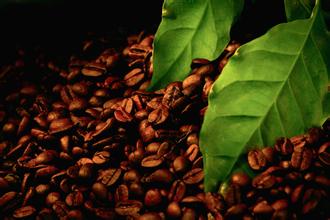
Honey-treated Panama Poquet Flower Butterfly Coffee Bean Elida Estate
In 1996 Braith and Rachel visited a farm for sale in the Haramijon area of the Boketty Valley and were attracted by the beauty of the farm and immediately bought it. This is Esmeralda. Harami Jonon Farm, third son Danielle. Mr. Bidesson planted the coffee world's attention on this farm-Geisha coffee! Geisha is pronounced the same as day

Introduction to the characteristics, varieties and quality of Rosa Coffee Manor with elegant and unripe flavor
Haines, a Swede, in 1924. Elliott founded Esmeralda Farm, which was not a coffee grower but a ranch. Forty years later, Daniel Lou in 1964. Mr. Bidarson's grandfather, Luther Ruffer. Mr. Bidarson bought Esmeralda Farm in order to have an old home after retirement, grandfather Luthor. Born in Sweden, Mr. Bidarsson was president of Bank of America and United.

Introduction of Panamanian Rosa Coffee Pocket Flower Butterfly Coffee beans
In 1996, Blaise and Rachel visited a farm for sale in the Haramijun area of the Bocketi Valley, and was attracted by the beautiful farm and immediately bought it. This is Esmeralda. Daniel Lou, the third son of Haramiqiong Farm. It is in this farm that Mr. Bidasson has grown Geisha coffee that attracts the attention of the coffee world. Geisha pronunciation is the same as Japanese.
Introduction to the flavor and taste of Panamanian boutique Rosa coffee
In 1996, Blaise and Rachel visited a farm for sale in the Haramijun area of the Bocketi Valley, and was attracted by the beautiful farm and immediately bought it. This is Esmeralda. Daniel Lou, the third son of Haramiqiong Farm. It is in this farm that Mr. Bidasson has grown Geisha coffee that attracts the attention of the coffee world. Geisha pronunciation is the same as Japanese.

Characteristics and Flavor description of Panamanian Coffee beans Grinding scale production area
The characteristics and flavor description of Panamanian coffee beans the processing method of grinding scale production areas of Jamaica Blue Mountains, Hawaii Kona also have to avoid, this wild variety originally from Ethiopia, after numerous battles, has now spread throughout the major coffee producing areas, and its best spokesman is from Panama's "LaEsmeralda" estate. History of Esmeralda Farm: 1924

Description of Coffee Flavor at Esmeralda Manor in Panama
Panama Coffee is grown in the western part of the country, near Costa Rica and the Pacific Ocean. The Boquet district of Chiriqui province is the most famous for its coffee, and Vocan,Santa Clara is also famous. Other areas include David, Remacimeinto, Bugaba and Tole.

Panamanian Coffee Flavor Taste Manor production area introduces Caiser Louis Manor
In 1996, Blaise and Rachel visited a farm for sale in the Haramijun area of the Bocketi Valley, and was attracted by the beautiful farm and immediately bought it. This is Esmeralda. Daniel Lou, the third son of Haramiqiong Farm. It is in this farm that Mr. Bidasson has grown Geisha coffee that attracts the attention of the coffee world. Geisha pronunciation is the same as Japanese.

Fine Coffee Learn Panama Geisha coffee better than Blue Mountain
In the early years, most of the recognition of top coffee followed Japan, one king of coffee followed Jamaica Blue Mountain and Hawaii Kona, but with the continuous improvement of coffee producing countries and information sharing, we were exposed to more fine coffee, and this coffee bean Panama rose summer became the new king of coffee in recent years. Geisha (Geisha) variety introduction: Geisha (Geisha)